ALDAR/ Iman Alaoui
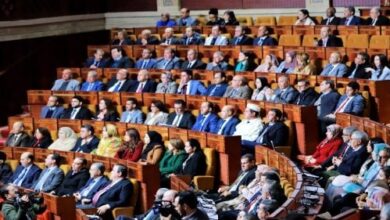
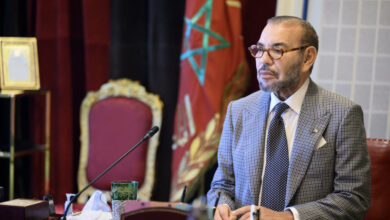
As Morocco’s Minister of Endowments and Islamic Affairs, Ahmed Toufiq, told House of Representatives that around 34,000 pilgrims will perform Hajj during the 1447 AH season—including more than 22,000 under the official quota—growing concern is emerging over a parallel reality marked by opacity and a lack of oversight: the market for so-called “courtesy visas.”
While these official figures are significant, they reveal only part of the picture. Outside regulated channels, reports suggest that the price of such visas has soared to nearly 200,000 Moroccan dirhams, raising serious questions about compliance with the law and the ministry’s role in regulating this highly sensitive sector.
Originally intended to remain limited and exceptional, “courtesy visas” have—according to widespread accounts—turned into a commodity traded beyond any clear legal framework. This practice runs counter to the principles governing Hajj organization and undermines equal access for citizens wishing to perform this essential religious duty.
The criticism extends beyond the mere existence of these practices to the apparent absence of a firm and transparent response from the Ministry. How can such a phenomenon persist without clear deterrent measures? And why have no investigations been publicly launched, nor clarifications offered regarding the actors behind these transactions?
Allowing this situation to continue unchecked opens the door to speculation and exploitation, eroding public trust in the Hajj management system. It also fuels social frustration, particularly amid rising costs and the limited availability of official quotas.
Given these concerns, the Ministry of Endowments is called upon to assume full responsibility—by strengthening oversight, clarifying the legal status of “courtesy visas,” and taking firm action against those involved in their illicit trade. Hajj is not a marketplace for profit, but a sacred act of worship that must be protected from all forms of exploitation.