ALDAR/ Meriem Hafiani
The race between Morocco and Spain to host the 2030 FIFA World Cup final is intensifying as the Kingdom prepares, alongside Spain and Portugal, to stage the historic edition of football’s biggest tournament. Both nations are pushing strongly to secure the honor of hosting the championship’s most prestigious match.
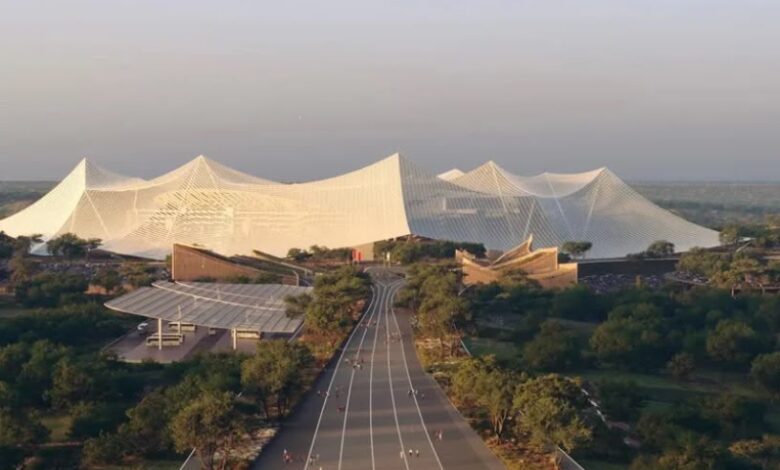
At the heart of Morocco’s bid is the new Hassan II Stadium on the outskirts of Casablanca. With a planned capacity of nearly 115,000 spectators, the venue is set to become one of the largest and most advanced stadiums in the world, built to meet the highest standards established by FIFA.
Speaking to the media, Yasser Soussi, Director General of Morocco’s National Agency for Public Facilities, said the country possesses all the necessary assets to stage the World Cup final. He stressed that the stadium was designed from the outset in full compliance with FIFA requirements, giving it the flexibility to satisfy all technical and organizational criteria.
The flagship project enjoys strong government backing, with investments estimated at around €1 billion. The development reflects the strategic vision led by King Mohammed VI to strengthen Morocco’s position as a regional and global sporting powerhouse while reinforcing its credentials as a leading host of major international football events.
As the final decision approaches, the choice of the host city for the 2030 FIFA World Cup Final remains in the hands of FIFA. Meanwhile, Morocco continues to strengthen its bid through world-class sporting infrastructure and ambitious development projects, underscoring its determination to write a new chapter in the history of global football.