Major Blow to Polisario at the United Nations: Morocco Says the Era of the Committee of 24 Is Over
ALDAR/ Iman Alaoui
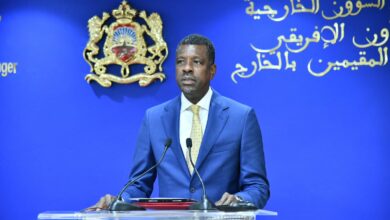
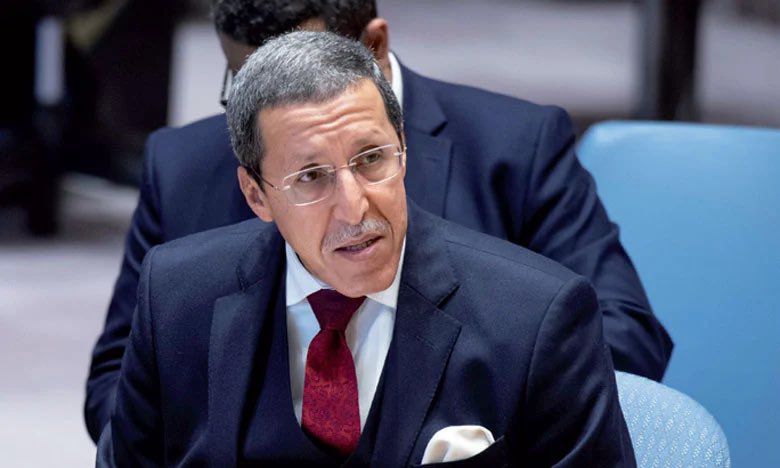
Morocco’s Permanent Representative to the United Nations, Omar Hilale, has declared that the Moroccan Sahara issue has entered a new phase within the international community — one defined by political realism and growing international recognition of Morocco’s autonomy initiative under Moroccan sovereignty. According to the Moroccan diplomat, keeping the issue on the agenda of the UN Committee of 24 has become outdated and no longer reflects the profound changes shaping the dispute at the level of the UN Security Council.
Speaking during the regional conference of the Committee of 24 held in Managua, Nicaragua, Hilale stressed that the Security Council has effectively become the sole UN body entrusted with handling the dossier after clearly defining the nature of the viable solution through its latest resolutions. Those resolutions, he argued, have firmly established Morocco’s autonomy proposal as a serious, credible, and realistic basis for ending the long-running regional dispute over the Sahara.
The Moroccan diplomat’s remarks went beyond a routine diplomatic statement and reflected a strategic shift in Rabat’s approach within the United Nations. Morocco is no longer merely defending its territorial integrity; it is increasingly moving with confidence to impose its political and legal vision within international institutions, backed by growing international support and by the steady decline of separatist narratives that have lost significant momentum in recent years.
Hilale further argued that maintaining the issue within the Committee of 24 contradicts Article 12 of the United Nations Charter, which grants priority to the Security Council in dealing with disputes already under its consideration. His comments suggested that discussions within the committee have become disconnected from the new political reality shaped by recent diplomatic developments.
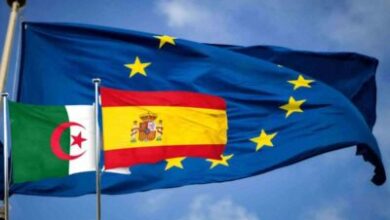
Morocco’s position comes at a time when the Sahara issue is witnessing unprecedented momentum in Rabat’s favor. This is particularly evident through continued American support for Morocco’s sovereignty over the Sahara, Spain’s endorsement of the autonomy initiative as the “most serious, realistic, and credible” basis for a solution, and France’s increasingly visible alignment with Morocco’s approach behind the scenes of international diplomacy.
Morocco has also strengthened its diplomatic standing through an extensive network of international partnerships while consolidating its presence in the southern provinces through major development projects and strategic investments. In addition, dozens of foreign consulates have opened in the cities of Dakhla and Laayoune, a move Rabat considers practical recognition of Moroccan sovereignty over the Sahara.
UN Security Council Resolution 2797 marked a major turning point in the evolution of the issue, as it moved away from theoretical or outdated options and instead focused directly on a realistic, pragmatic, and compromise-based political solution under UN supervision. The resolution also repeatedly praised Morocco’s “serious and credible” efforts to resolve the dispute.
The same resolution further highlighted Algeria’s direct responsibility in the conflict after its participation as a principal party in the roundtable discussions alongside Morocco, Mauritania, and the Polisario Front. Rabat views this as clear UN acknowledgment that Algeria is not merely an observer but a central actor in the dispute.
Hilale’s remarks from Managua reflect Morocco’s growing conviction that the balance of power within the United Nations has shifted significantly in its favor. According to Rabat, it has gradually succeeded in moving international discussions away from the narrative of “decolonization,” long promoted by certain parties, toward a realistic political solution based on Moroccan sovereignty and autonomy.
Amid this growing diplomatic momentum, Morocco appears determined to further consolidate its position within the international community, supported by strong strategic alliances and a clear political vision. This increasingly places the autonomy initiative closer than ever to becoming the internationally endorsed framework for resolving one of North Africa’s longest-running disputes.