Cuba First, Then Other Files… The Emerging Features of a More Hardline U.S. Approach
ALDAR/ Iman Alaoui
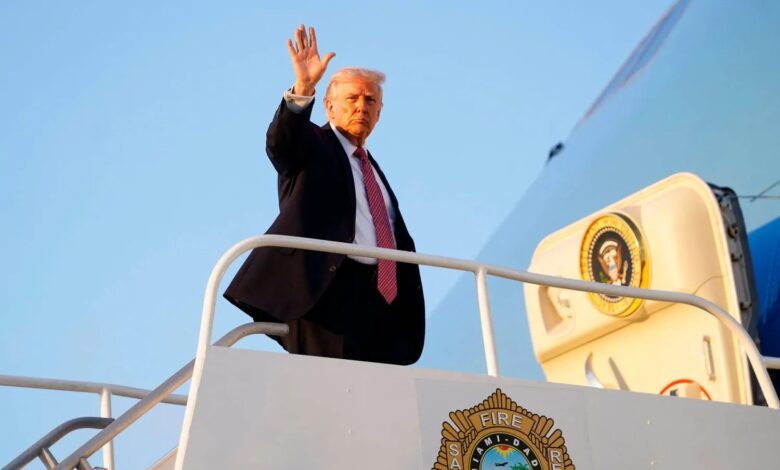
U.S. President Donald Trump announced that Washington will move “immediately” on the Cuban file, following the expansion of sanctions imposed on Havana, placing Cuba at the top of U.S. priorities—directly after Iran.
This escalation comes within the framework of an approach based on strengthening economic and diplomatic pressure on a number of countries that the United States considers adversaries or sources of tension in the international system, in an attempt to push them toward changing their policies or making substantial concessions in long-standing disputed issues.
In this context, implicit signals emerge regarding the possibility that this approach could extend to other more complex regional files, including the Western Sahara dispute, particularly if political stagnation persists and no breakthrough is achieved in the settlement process.
This direction also raises questions about Algeria’s position in this file, especially if it continues to play a role perceived as an obstacle to reaching a final solution, or if no concrete steps are taken toward dismantling the Tindouf camps and the structures of the Polisario Front, which remain a central element in the conflict.
Between tightening pressure on Cuba and the growing debate over the roles of regional actors in North Africa, U.S. policy appears to be moving toward reshaping its priorities according to a logic of gradual pressure, in an attempt to restructure balances across multiple international arenas—despite the complexities and the potential for further escalation that such an approach may entail.